Unbeaten Valley, MIMA
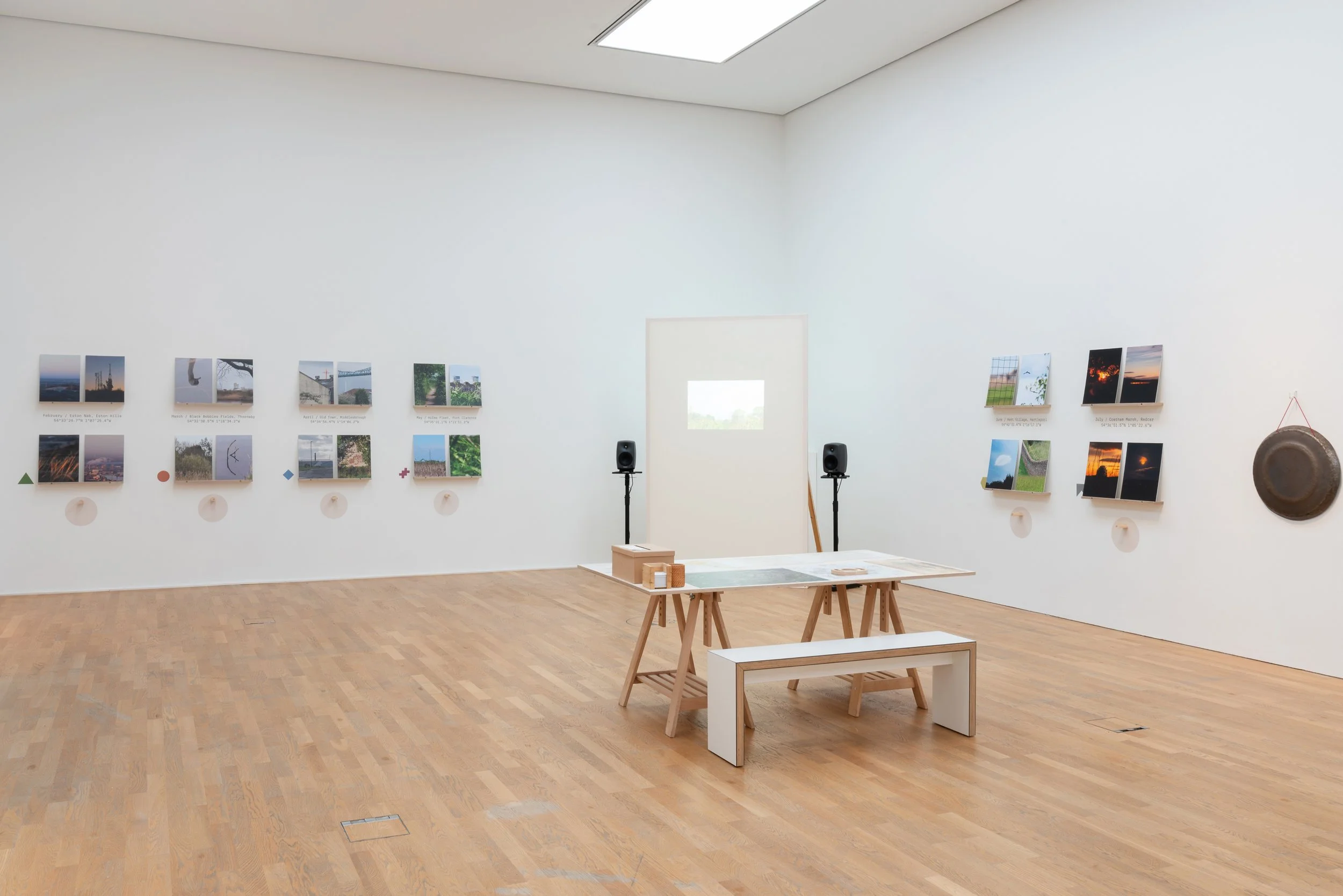
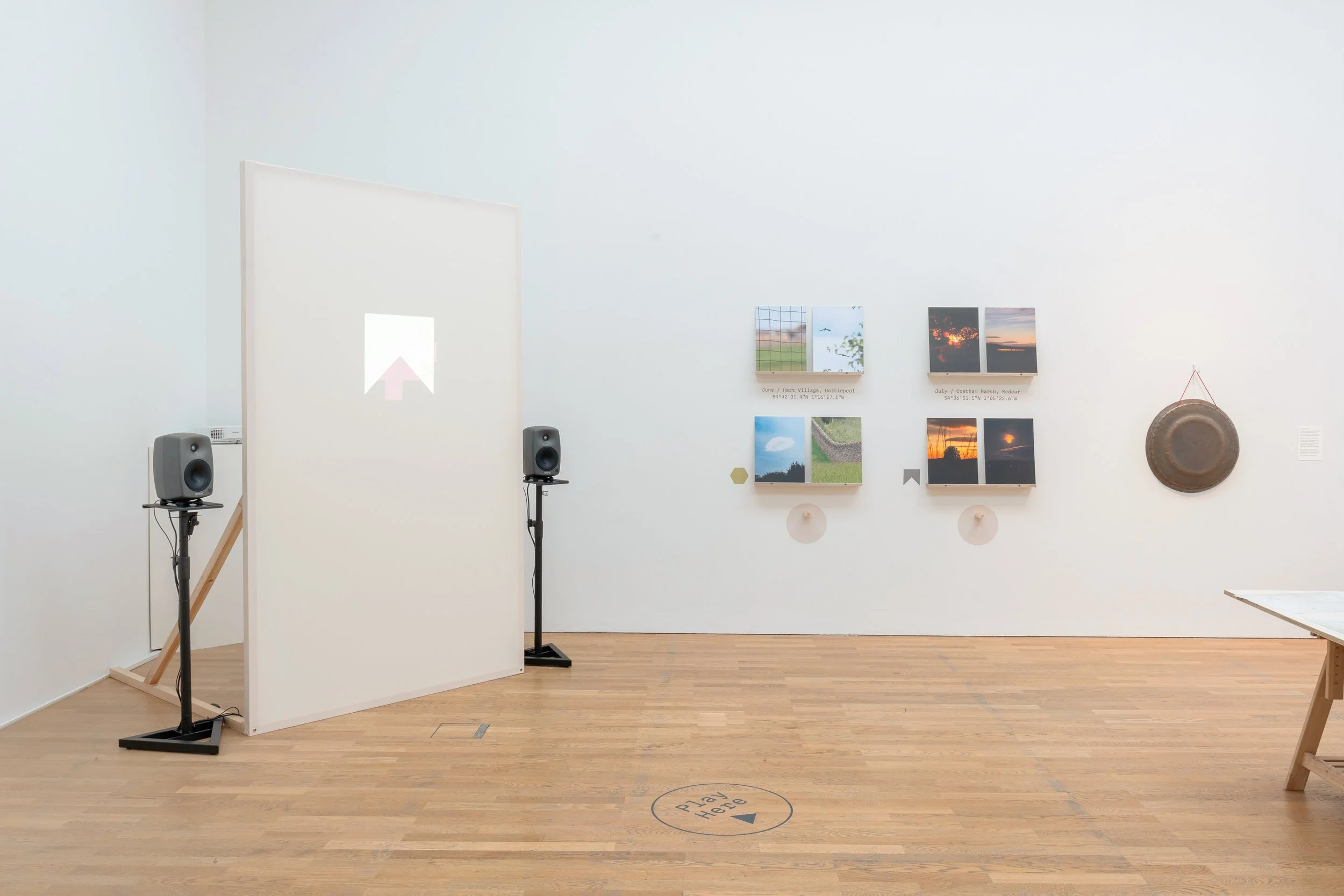
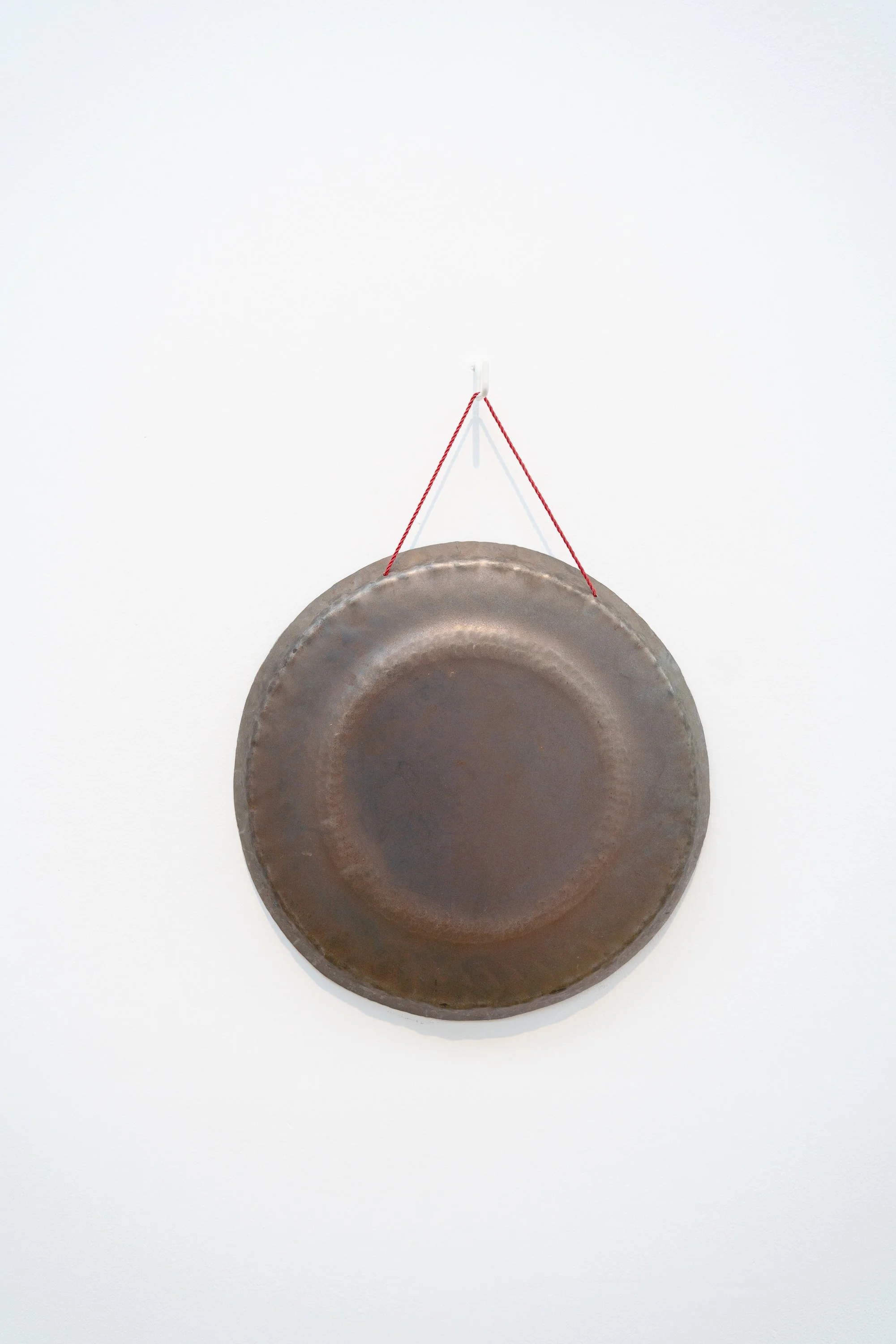
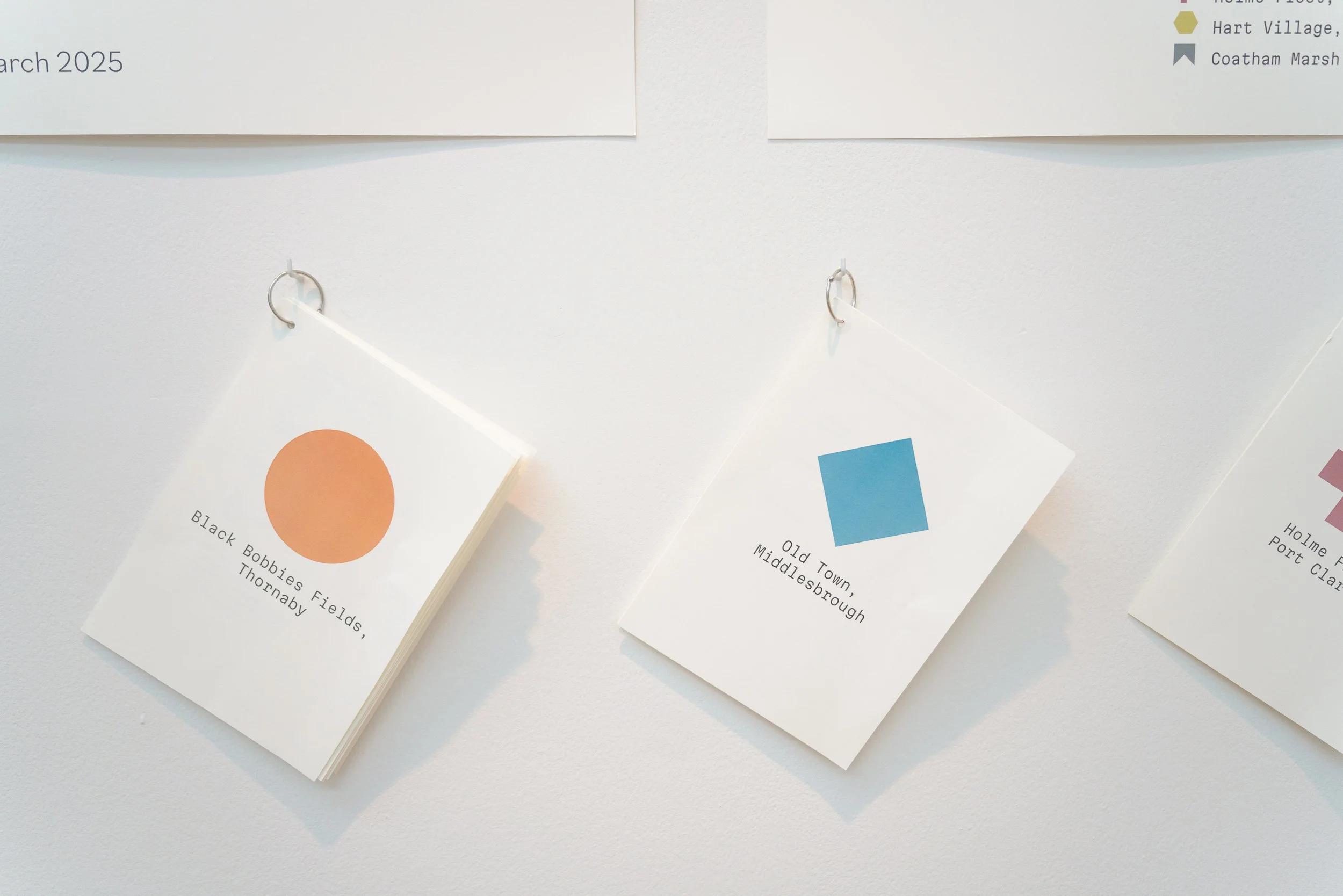
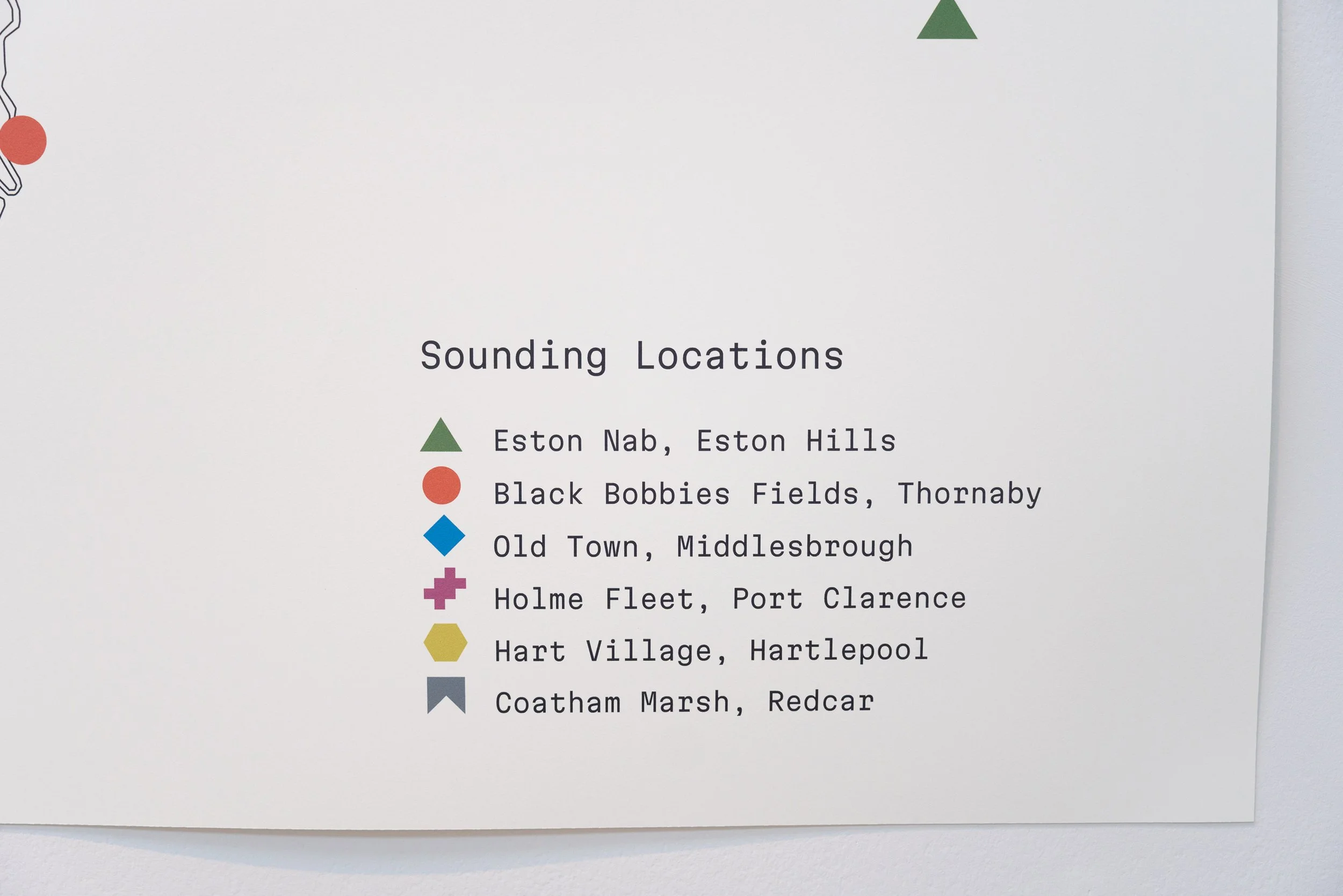
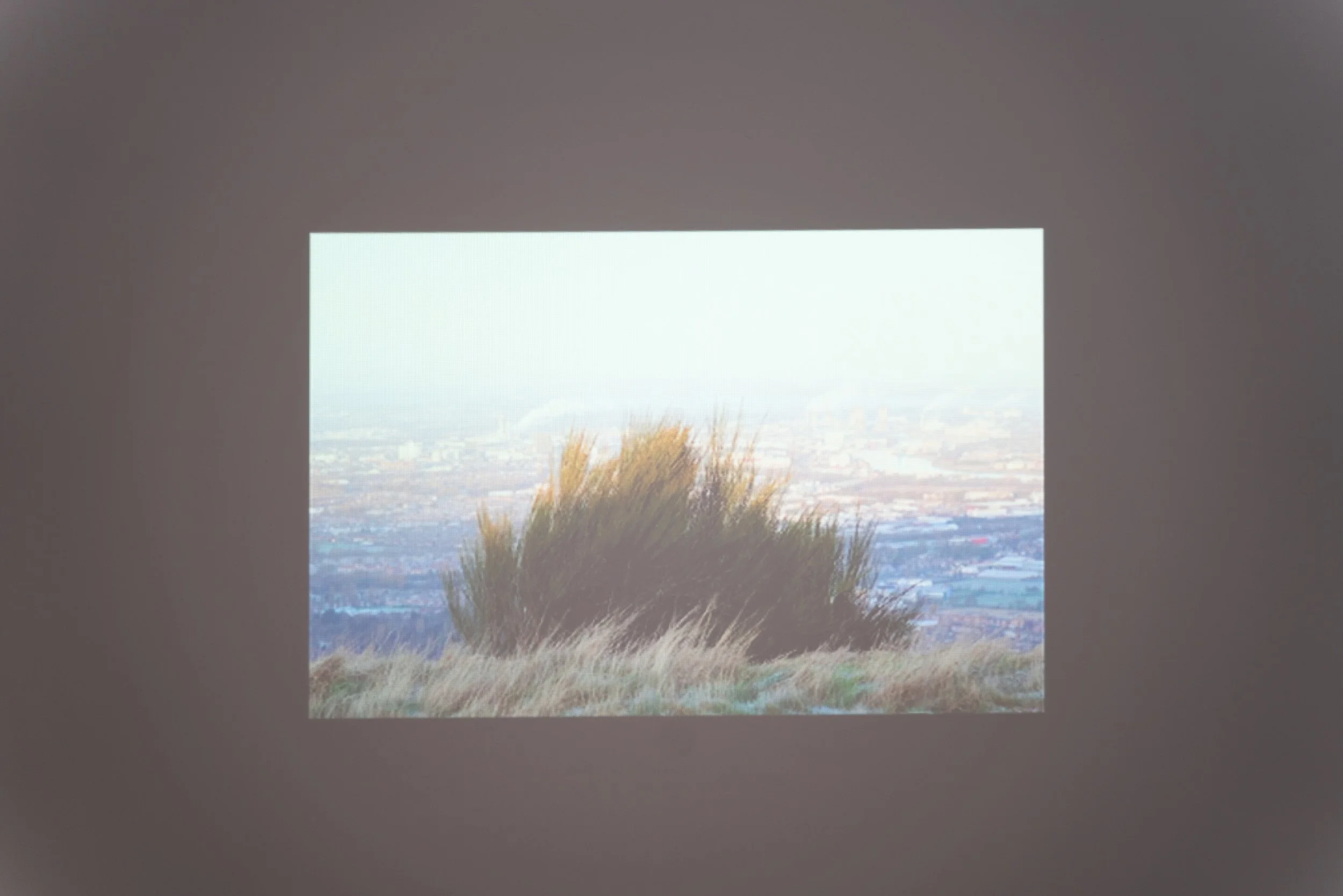
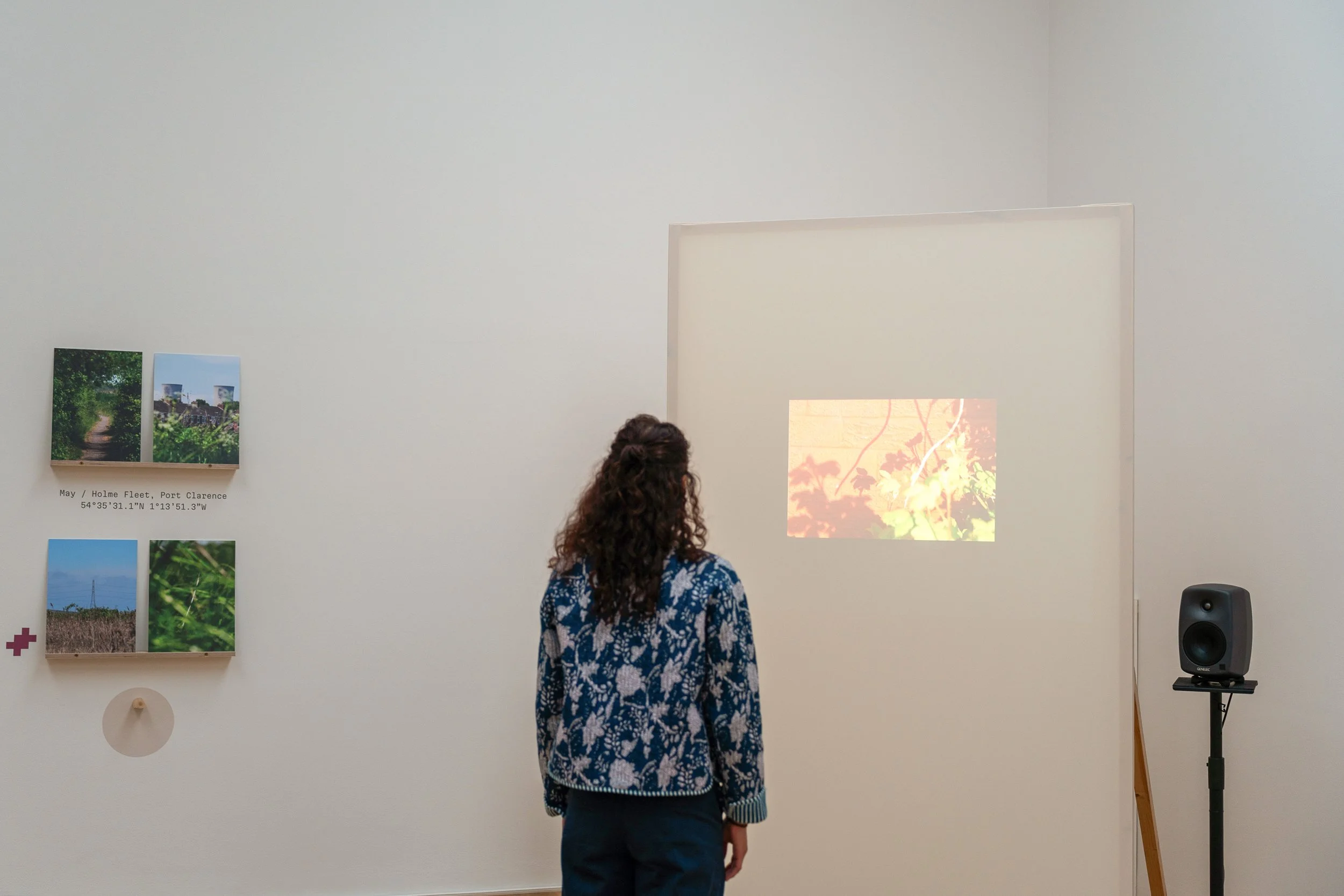
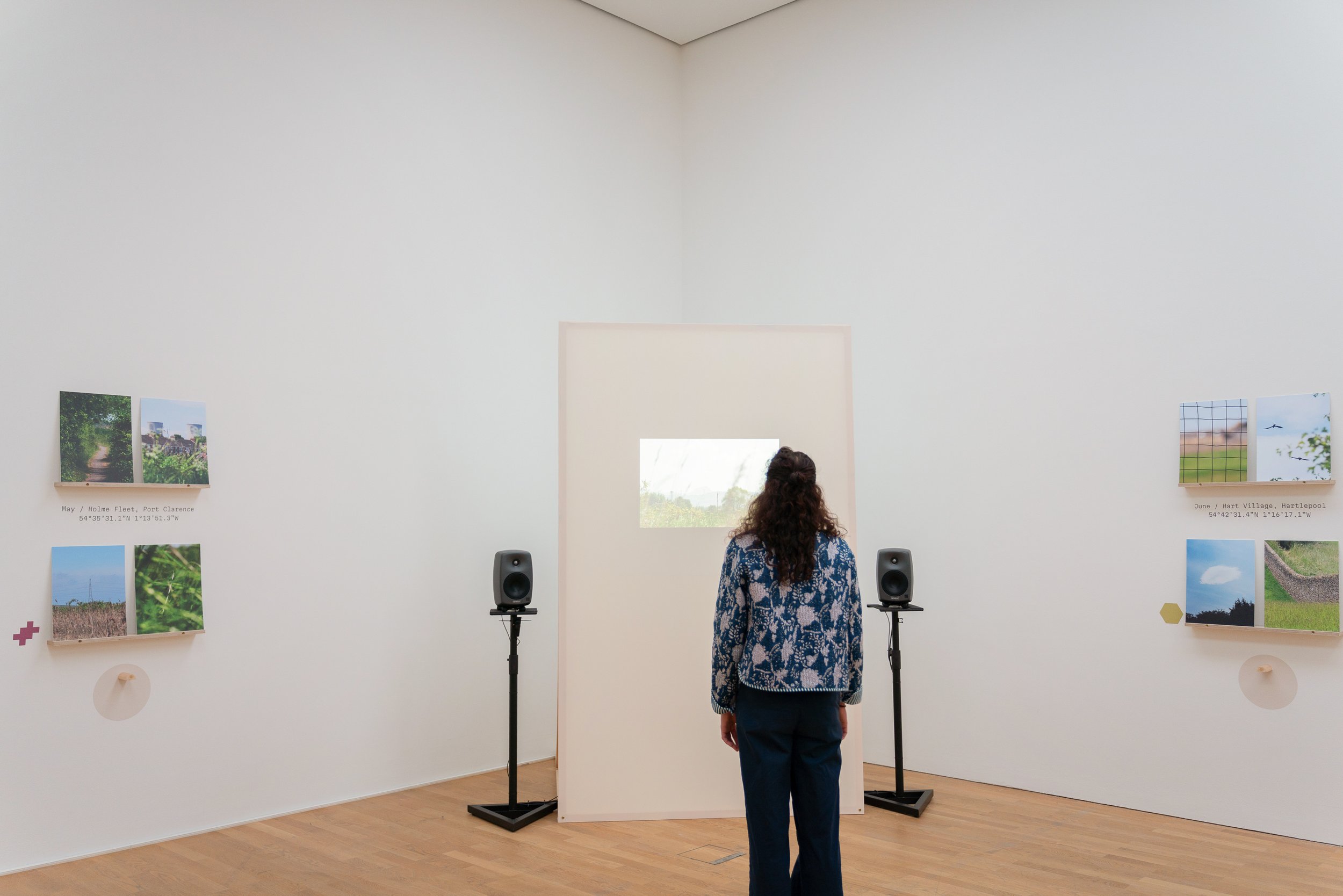
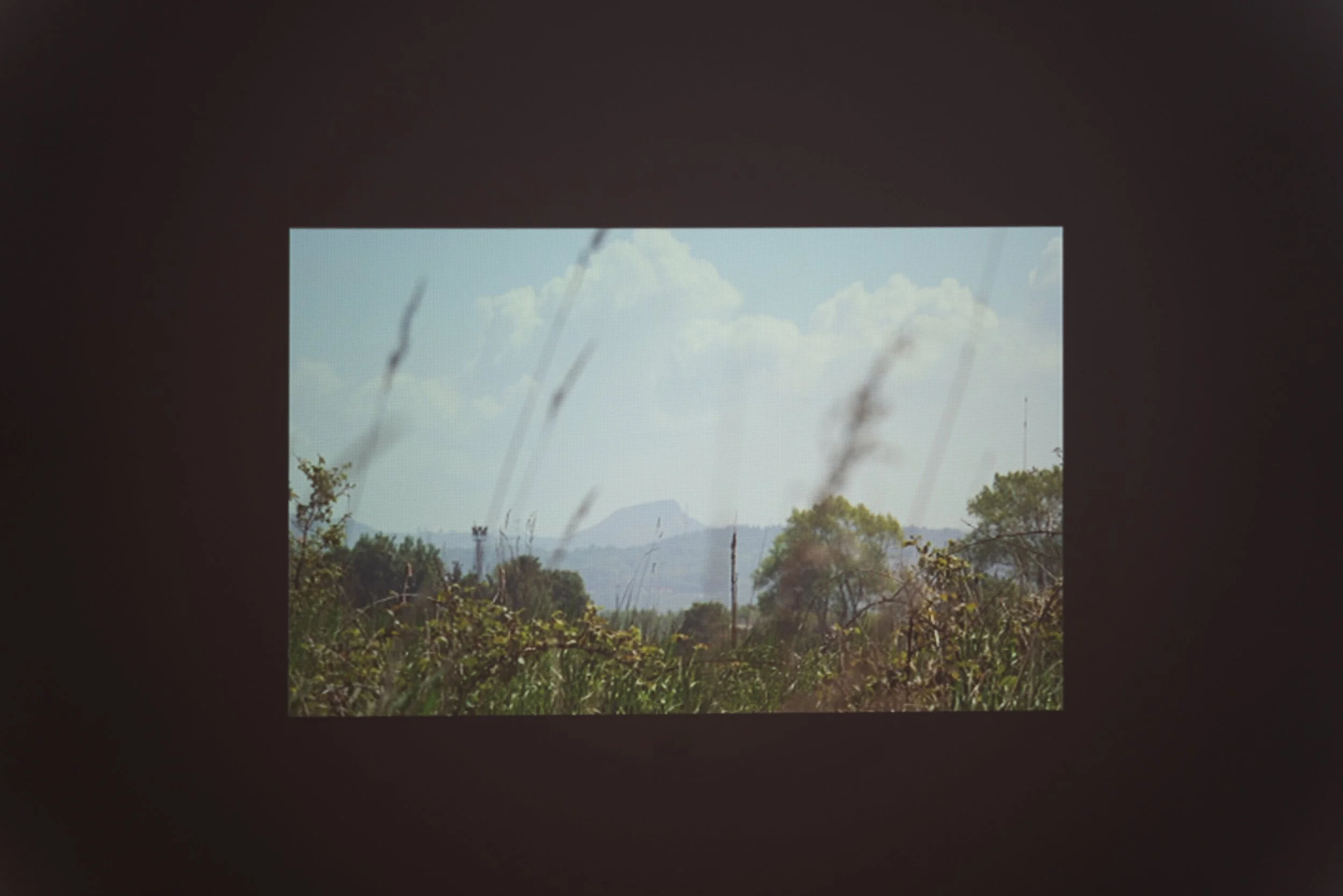
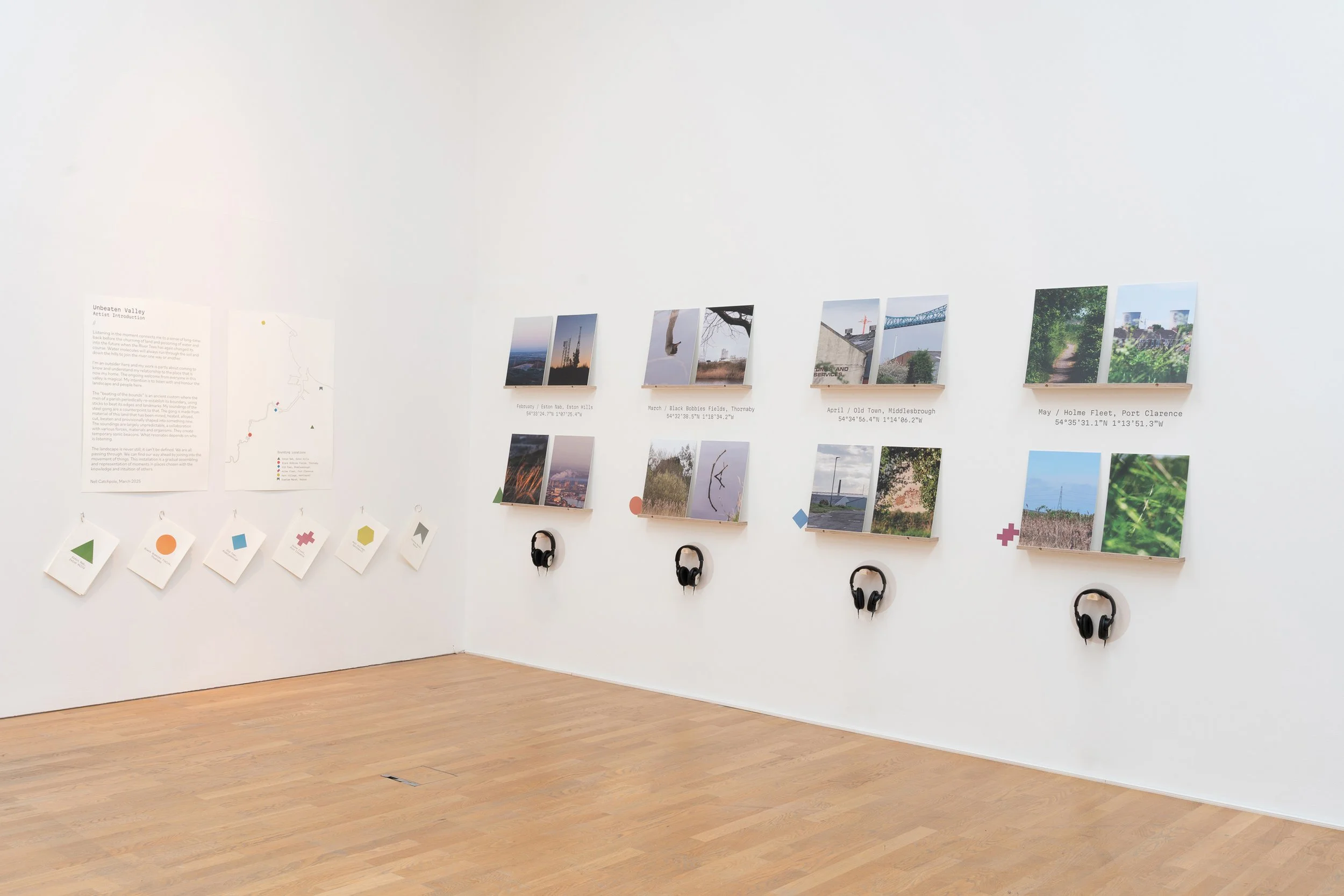
Commissioned by MIMA (Middlesbrough Institute of Modern Art) for The Secret Lives of Bottle of Notes Exhibition, Unbeaten Valley is an installation piece made with photographer, Rachel Deakin, centred around the sounding of a locally made steel gong at different locations in the Tees Valley landscape. From February to July 2025, I performed a gong sounding in a different pre-decided site each month. I determined the six locations through conversations about the region’s social, political, economic and ecological conditions with researchers from a range of disciplines. We documented each sounding, creating a short sound piece, set of four photographs, video, and log entry that were added to the exhibition installation. Returning visitors to the exhibition could see the piece evolving over time and were invited to add their responses and anecdotes about the different places.
Nell Catchpole: lead artist, sound
Rachel Deakin: photography, video
Joanna Deans: graphic design
Gong made by Blacksmith, Matthew Snape and Master Blacksmith, Peat Oberon, Preston Park Forge, with expert advice from Filipe Alves.
Conversations about locations for ‘the soundings’ with: Professor Antonia Liguori, Dr Ambroise Baker, Dr Christopher Massey, Dr Danny McNally, Elinor Morgan, Karis Richardson, and Dr Martyn Hudson
The Secret Lives of Bottle of Notes was curated by Elinor Morgan.
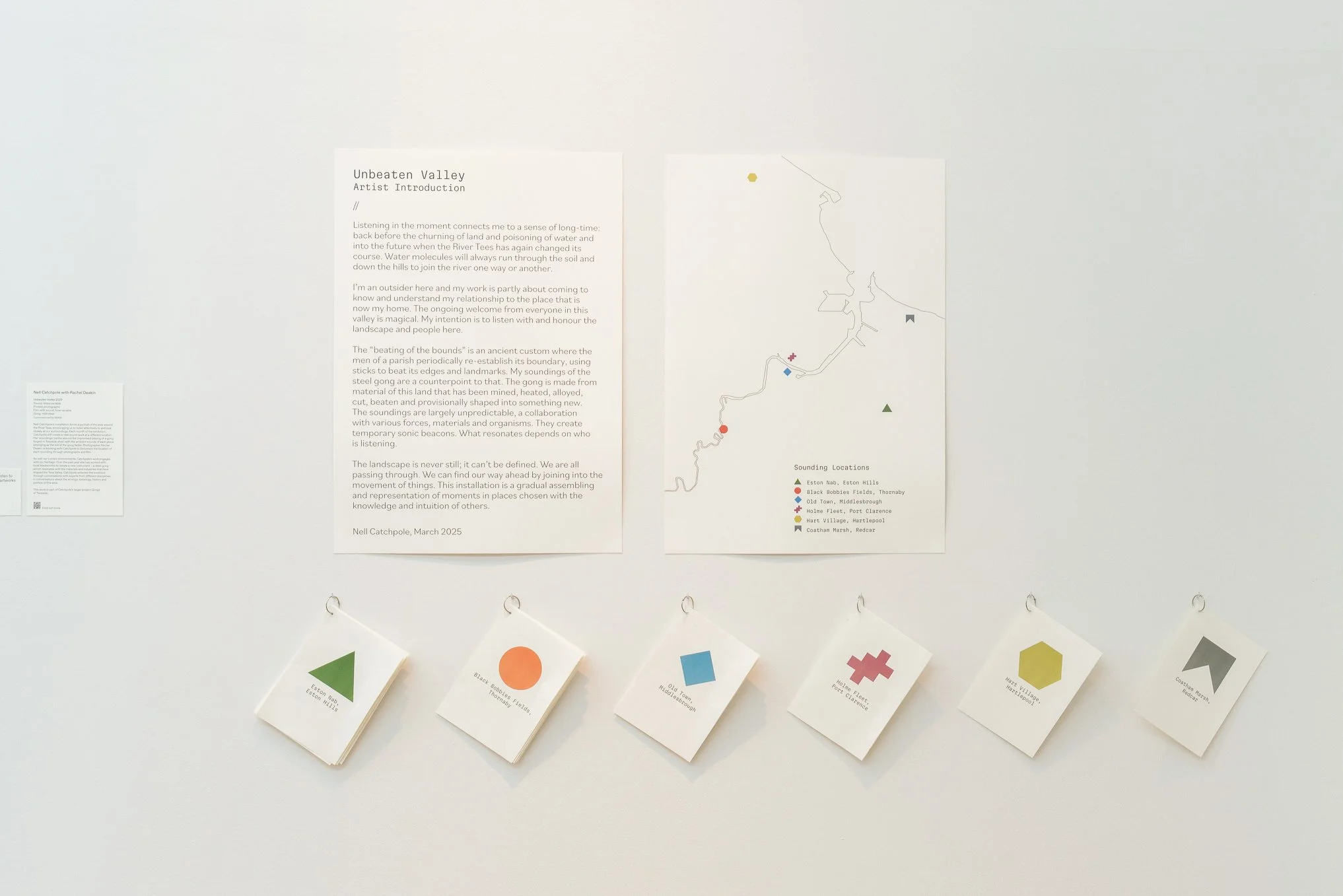
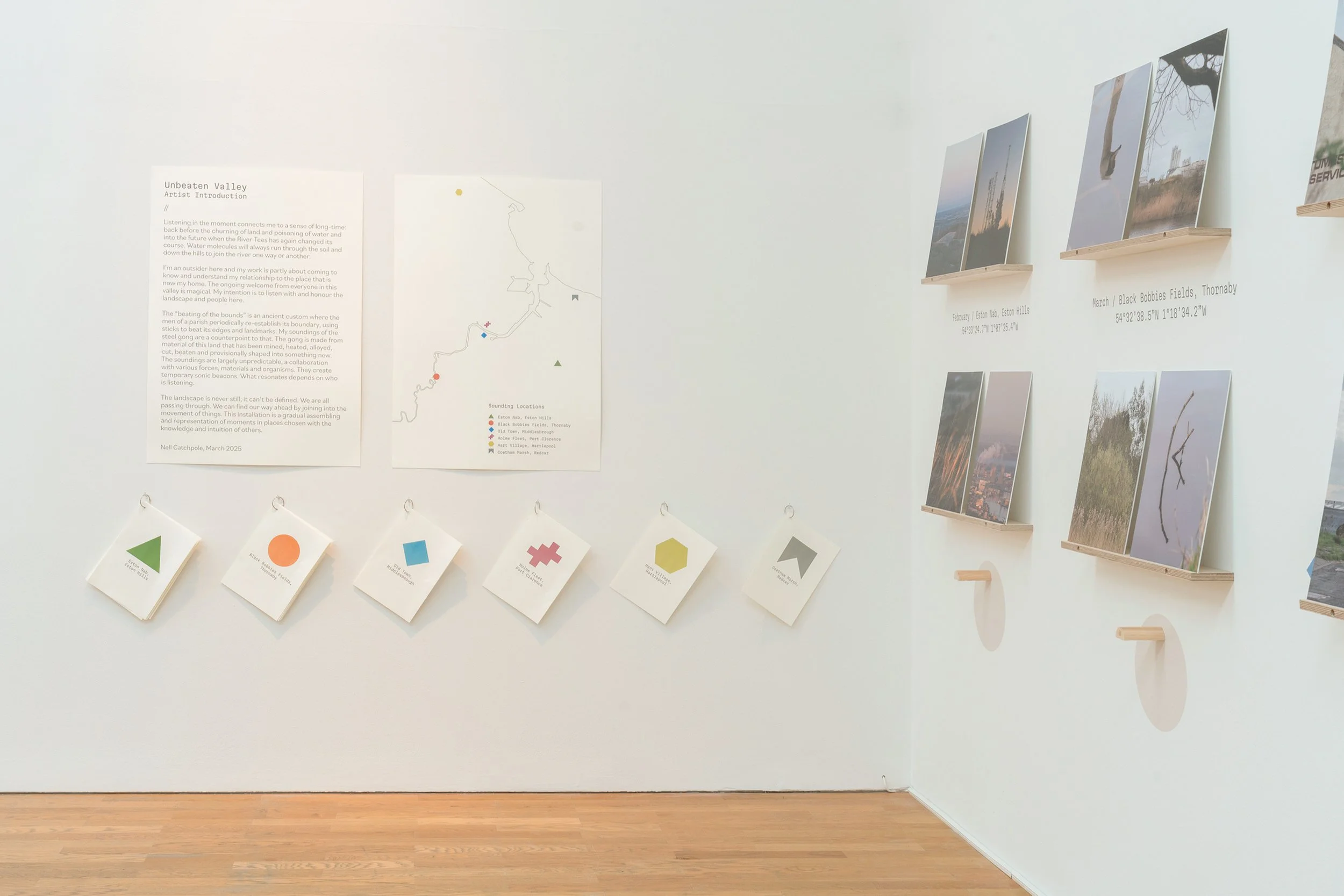

Listening in the moment connects me to a sense of long–time: back before the churning of land and the poisoning of water, and forward into a future in which the River Tees has again changed its course.
I am an ‘incomer’ to this area, and my work is partly about coming to know and understand my relationship to the place that is now my home. The welcome I have received from people across the valley has been both moving and inspirational. My intention is to listen with, and to honour, the landscape and the people who live here.
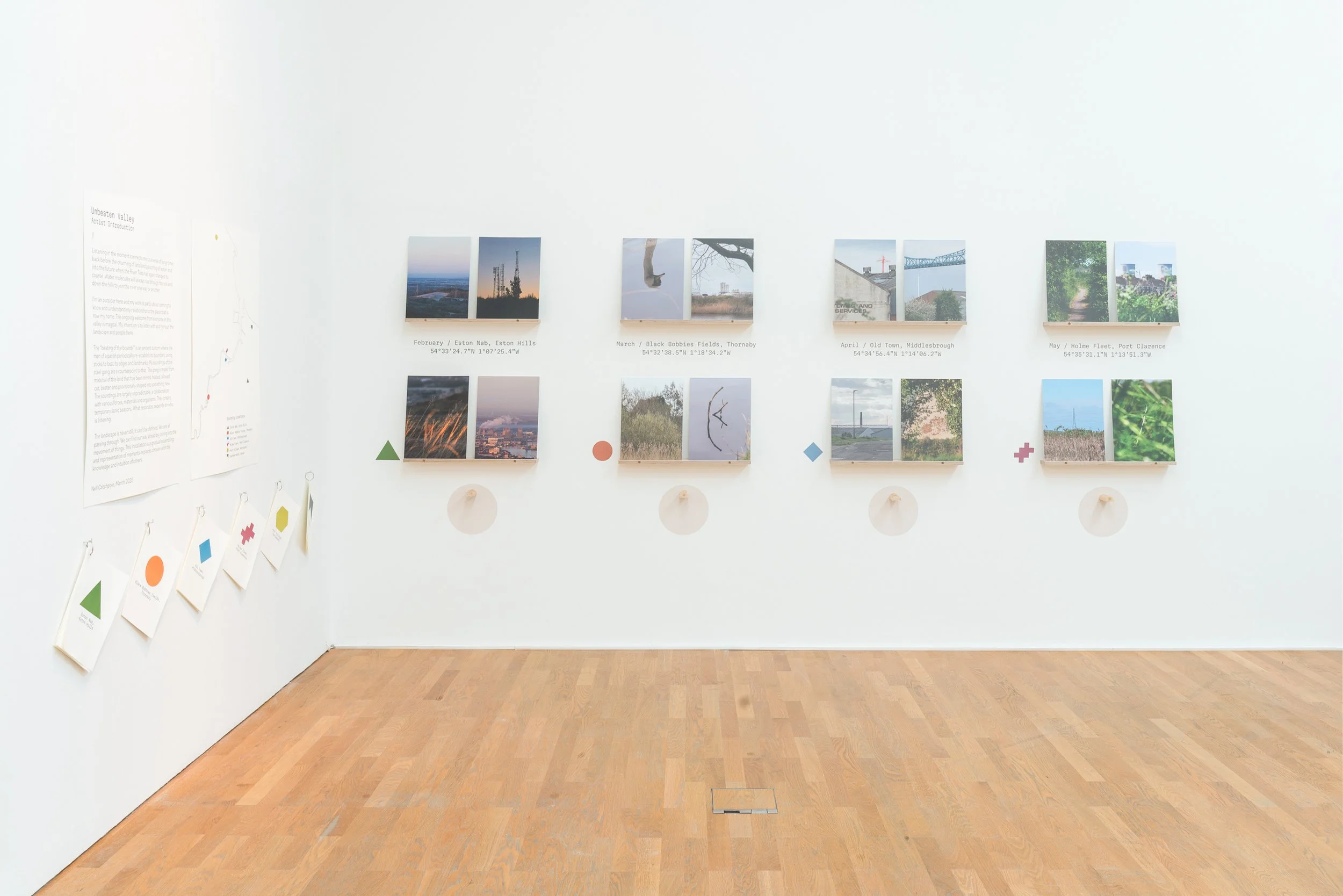
The “beating of the bounds” is an ancient custom in which members of a parish periodically re-established its boundary, using sticks to strike boundary markers and landmarks. For Unbeaten Valley, the solitary soundings of the steel gong acted as a counterpoint to this tradition. Through conversations with local researchers from different disciplines, we selected six locations across the valley for sounding the gong. Rather than marking or reinforcing a boundary, these soundings attended to what already exists: layered relations between land, water, materials, people, memory and change.
Antonia:
I think it could be very interesting to identify both places of integration and interconnection and places of distance, so as to explore the metaphor of proximity and distance around the Tees Valley not just in relation to proximity and distance from the river, but also from each other.
Karis:
I keep thinking about boundaries and edge places. We’re talking about ‘the Gare’, ‘the Beacon’, ‘the Nab’ as hinterlands where people exist slightly outside fixed definitions. There have always been communities living there: fishermen’s huts along the shore, houseboats further up the river, people living close to or on the beach. These were different ways of living, shaped by being on the margins and by resisting the identities attached to more settled or industrial narratives. And people are still living on those edges, carving out their own identities and stories in places that sit between land, water and change.
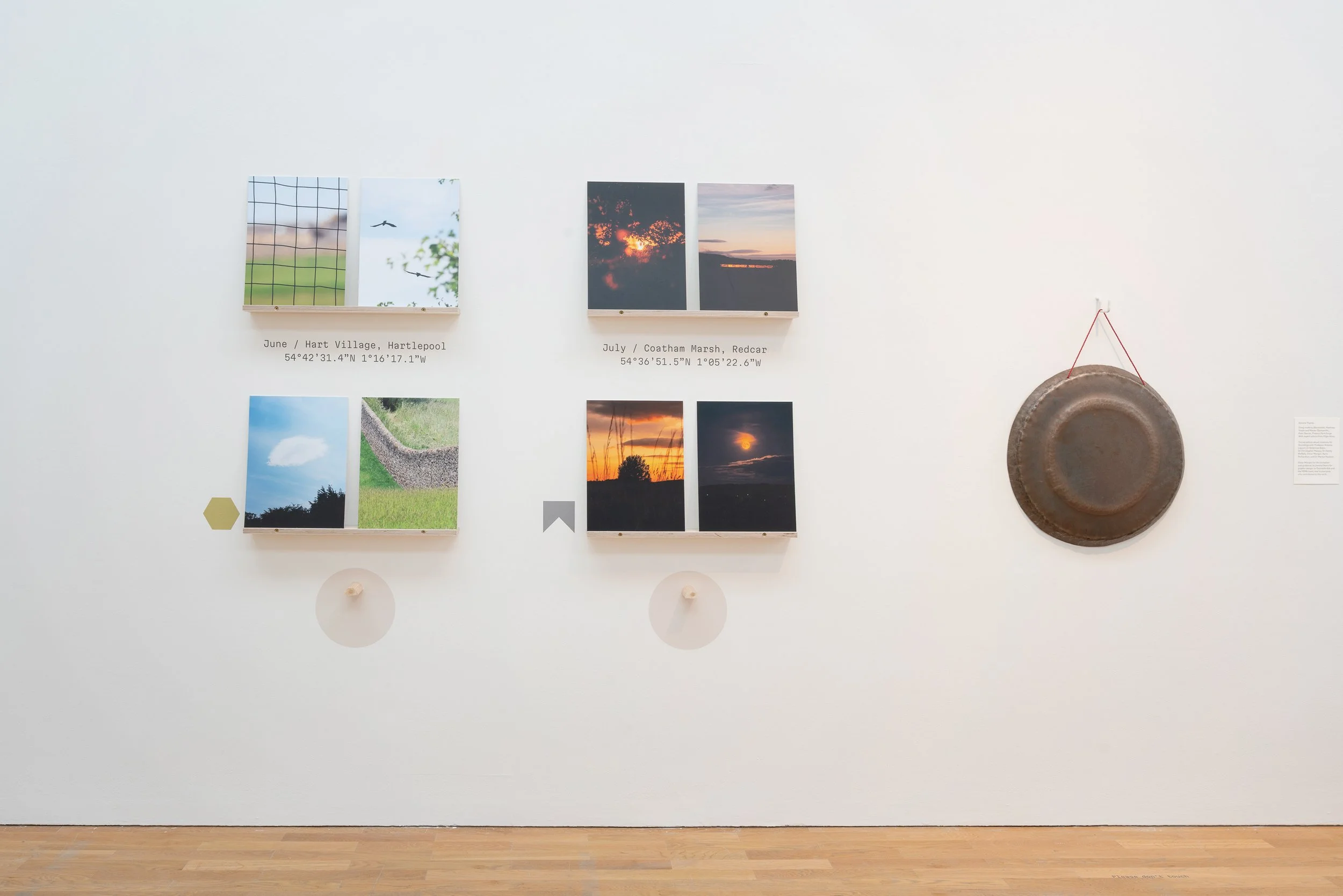
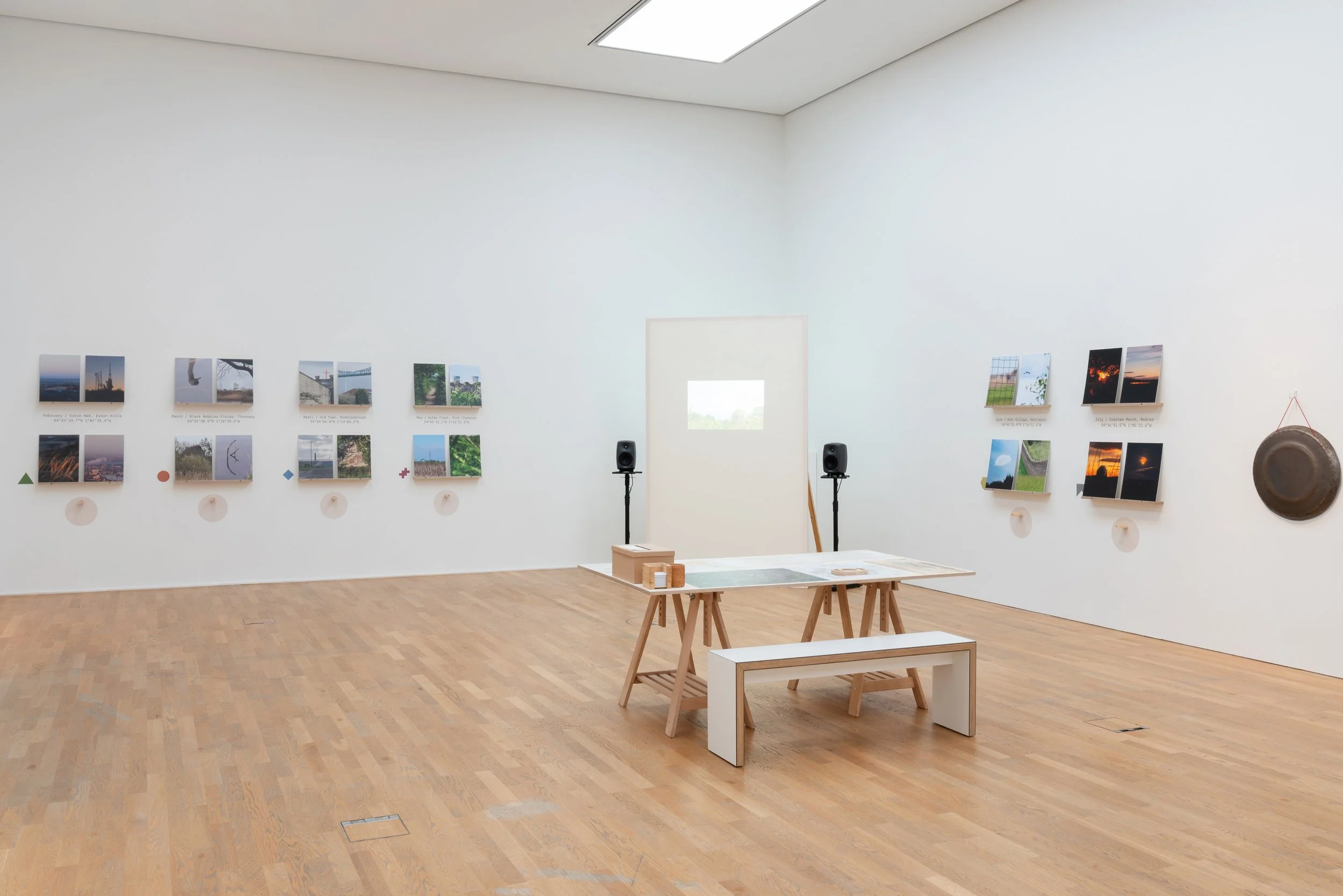
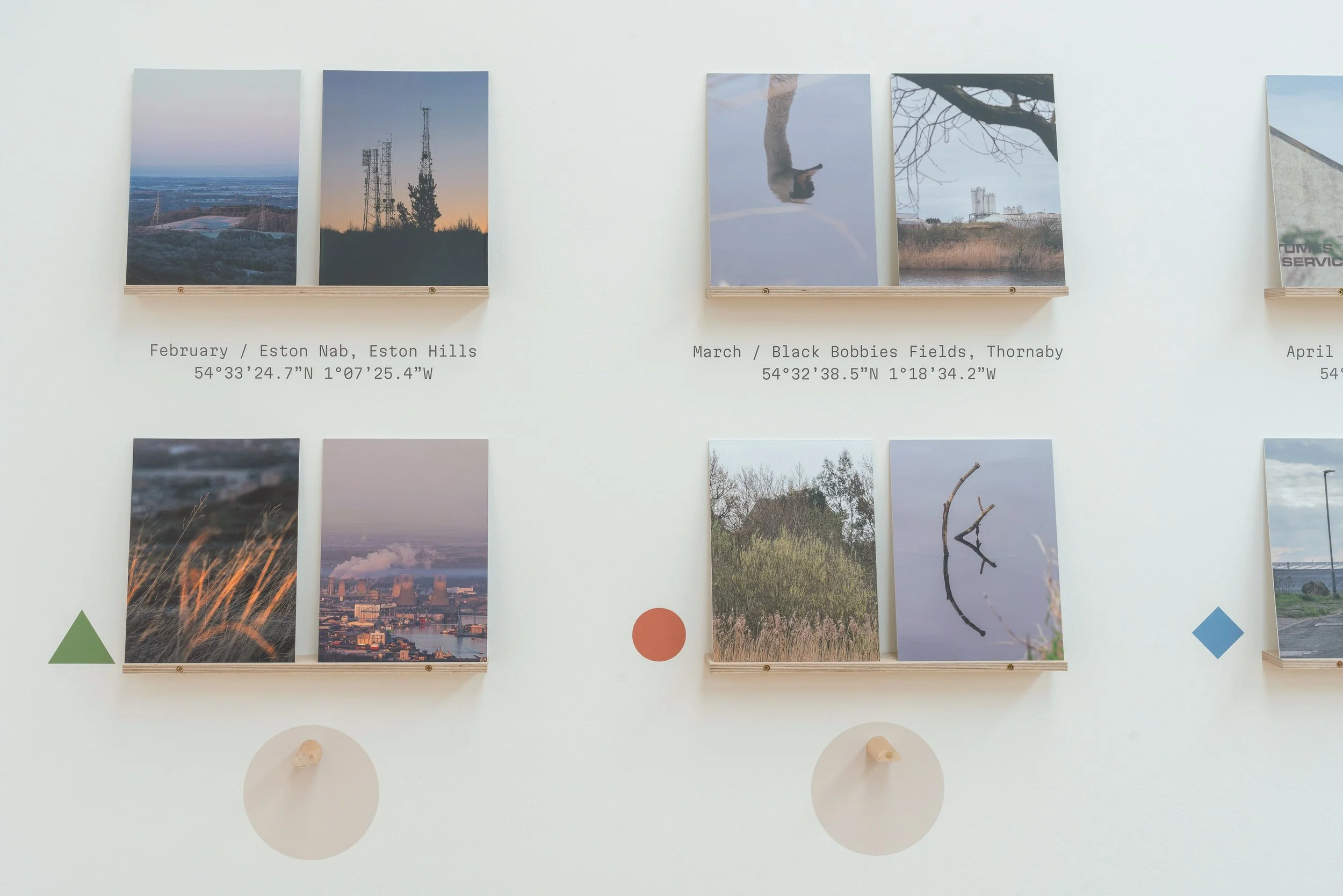
Every month, on a pre-set date, Rachel Deakin and I visited one of the six agreed locations. Each visit followed the same process. We intuitively gravitated to a specific spot, and after a period of ‘listening in’, I performed an improvised sounding of the gong, responding in the moment, while Rachel photographed in parallel. At each site, we encountered someone who shared something of the place with us. These situated knowledges and observations were woven into our work, adding an important layer of lived context to the soundings. Rachel’s photographs are not records of events but acts of attention in their own right, shaped by her long familiarity with the valley. Together, sound and image emphasise a way of perceiving the landscape that is patient, embodied and relational, attuned to what is often overlooked and to how place reveals itself.
Amboise:
I was thinking of places to get connected with the river, and one of them is a lovely spot a bit more upstream. It’s called The Holmes and it's got very tall willows and little ponds. If you ‘blank out’ some of the background noise, you can imagine it’s been like that for a long time.
Martyn:
It was a medieval fishery site.
*
Danny:
Port Clarence has a history of industry but that is slowly dying away. I have been thinking about it a lot recently because it is one of the communities in the UK which is projected to be underwater by 2050…
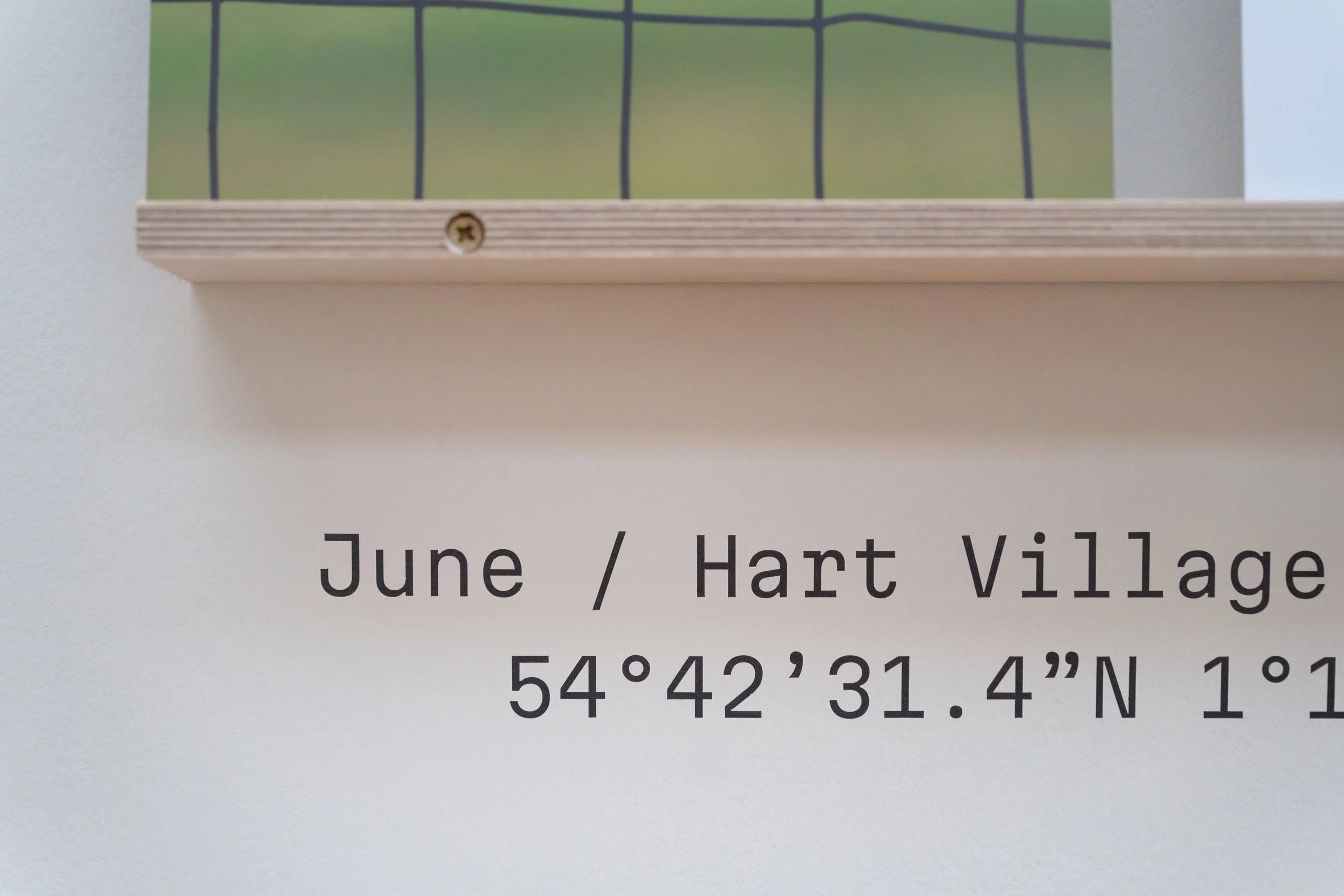
Each month, a sound piece and set of four photographs were added to the exhibition installation documenting the latest sounding, alongside a newly introduced scene within the video work, and a printed log entry. The installation therefore accumulated gradually, mirroring the unfolding process of the project itself.
The gong is made from material of this land: mined, heated, alloyed, cut, beaten and provisionally shaped into something new and unexpected. Tees Valley and Teesside are often represented through the lens of industry — scale, productivity, measurement, and largely patriarchal narratives. By contrast, the soundings were deliberately modest, contingent and unpredictable, shaped through collaborations with weather, infrastructure, human activity and more-than-human presences.
Martyn:
In areas, villages like California in Eston, the localised nuances of those places resist a narrative of ‘working class authenticity’. A lot of those communities came and kept the traditions and the cultures of where they'd come from, and didn't conform to an expected industrial narrative. The complexities are much more powerful.
What resonates depends on who is listening, where they stand, and how they are attuned. When sounded, steel does not assert a form but transmits vibration — moving through air, ground and body, shaped by weather and circumstance. The soundings introduced something new and unexpected into everyday environments, momentarily interrupting habitual ways of hearing the valley. In this way, the parish boundary, once beaten into the land, becomes less a fixed edge than a resonant condition: something felt rather than enforced. These moments of sounding allowed for a different quality of attention — intimate, ephemeral and contingent — in which complexity could be held, and where beauty and roughness, strength and vulnerability, might be experienced all at once.
Chris: If I think of Eston Nab, I think of me and my father when I was a kid. That's what it reminds me of. You would go up there and you would look out on the world. You'd look out on the little dot that sat below it, and that was your town. That was Eston, in a small sense; Middlesbrough in a larger sense; Teesside in a much bigger sense… And that this place that you were standing on existed before anything else that you were looking at.